

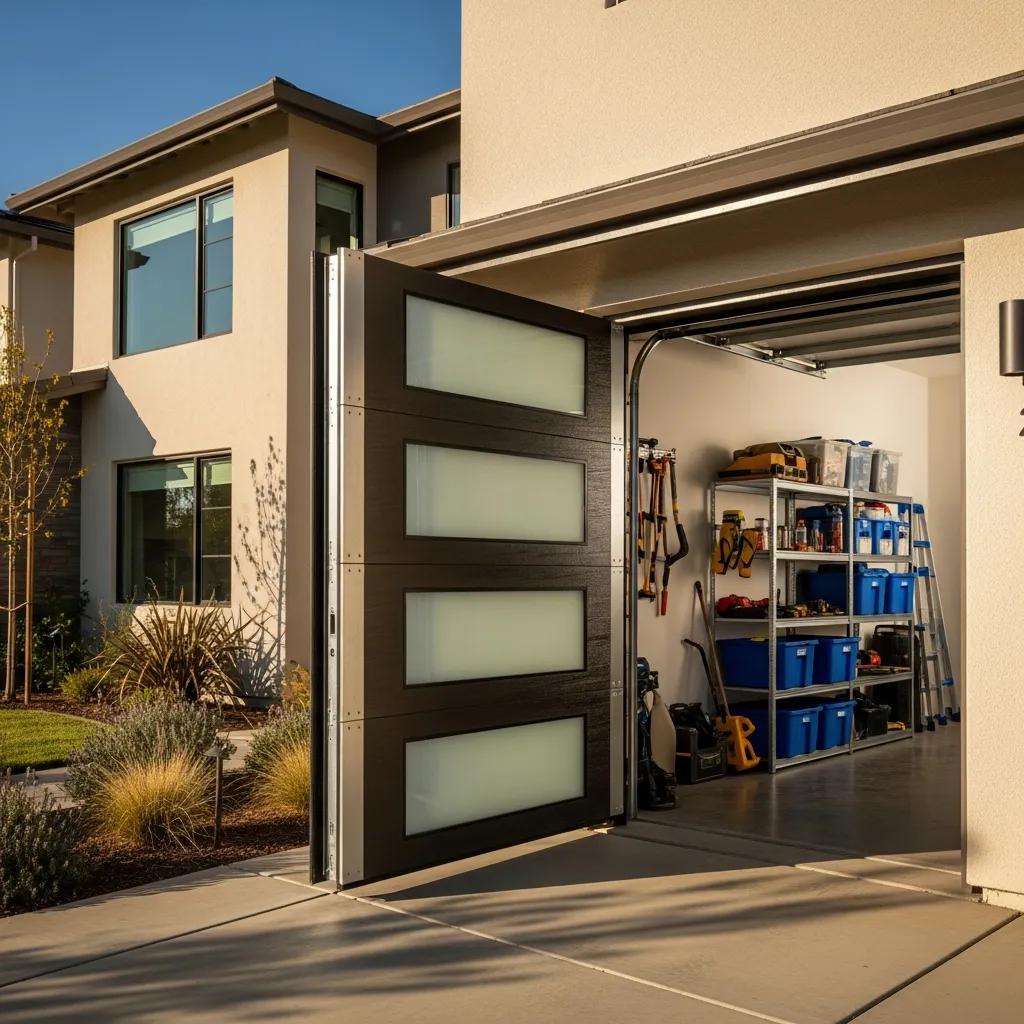
Save on Fresno Energy Bills with an Energy‑Efficient Garage Door — Practical Options & Real Savings
In Fresno and the Central Valley, high cooling costs and an oven-hot garage are a familiar frustration. Replacing an old door with an energy‑efficient model cuts heat transfer, eases the load on your HVAC, and can lower monthly utility bills. This guide walks you through what makes a garage door energy efficient, how insulation and tight seals stop conduction and air leaks, which insulation types work best in hot climates, and realistic savings you can expect locally. You’ll get clear definitions of R‑value and U‑factor, see how construction, weatherstripping, and smart controls combine to trim energy use, and review real product classes like Thermacore® insulated doors. Read on for straightforward comparisons, quick reference tables, and actionable steps to pick and install an insulated door that improves comfort and reduces energy costs.
What Are Energy-Efficient Garage Doors and How Do They Reduce Utility Bills?
Energy‑efficient garage doors limit heat transfer and air infiltration by using insulated panels, thermal breaks, and quality perimeter seals. That reduced heat flow lowers peak cooling and heating loads for rooms next to the garage, which shows up as measurable HVAC savings and smaller utility bills. The main ways doors do this are by reducing conduction through the panels, minimizing convective air movement around gaps, and adding continuous insulation to increase thermal resistance. Knowing these mechanisms explains why verified thermal metrics matter more than looks when you want real energy savings.
| Metric | What it Measures | Typical Target for Efficient Doors |
|---|---|---|
| R-value | Resistance to heat flow through the insulation | R-8 to R-16 (higher = better) |
| U-factor | Overall heat transfer rate (lower = better) | 0.20–0.35 for high-performance sectional doors |
| Air leakage | Amount of air passing around seals | Low leakage with full perimeter weatherstripping |
How Does Garage Door Insulation Impact Energy Savings?
Insulation inside the door creates a thermal barrier that slows conductive heat flow, keeping summer heat out and winter heat in. Continuous injected‑foam cores limit thermal bridging and usually deliver higher effective R‑values than separate panel inserts because the foam fills cavities and bonds to the skins. Insulation also stiffens the door, shrinking gaps and rattles that increase air leakage, and it helps block outside noise. In Fresno’s heat, a well‑insulated door can lower peak garage temperatures, reduce heat transfer into adjacent rooms, and shorten how long your AC runs.
Because insulation stabilizes temperatures so effectively, it’s often the single most impactful upgrade for comfort and energy savings — which leads naturally to how R‑value and U‑factor measure those gains.
What Role Do R-Value and U-Factor Play in Garage Door Efficiency?
R‑value measures resistance to conductive heat flow: the higher the R‑value, the slower heat crosses the door. U‑factor reports the overall rate of heat transfer, including conduction, convection, and radiation — so lower U‑factors mean better real‑world performance. For sectional doors, U‑factor can be a more practical indicator because it accounts for seams, hardware, and edge effects that change actual heat transfer. For Fresno homeowners aiming to cut cooling loads, look for doors with solid mid‑to‑high R‑values and U‑factors toward the lower end of the table above to get the best summer performance.
Knowing these numbers helps you choose doors with verified ratings rather than relying on marketing. Next we compare common insulation types used in garage doors.
Which Insulation Types Offer the Best Energy Efficiency for Garage Doors?
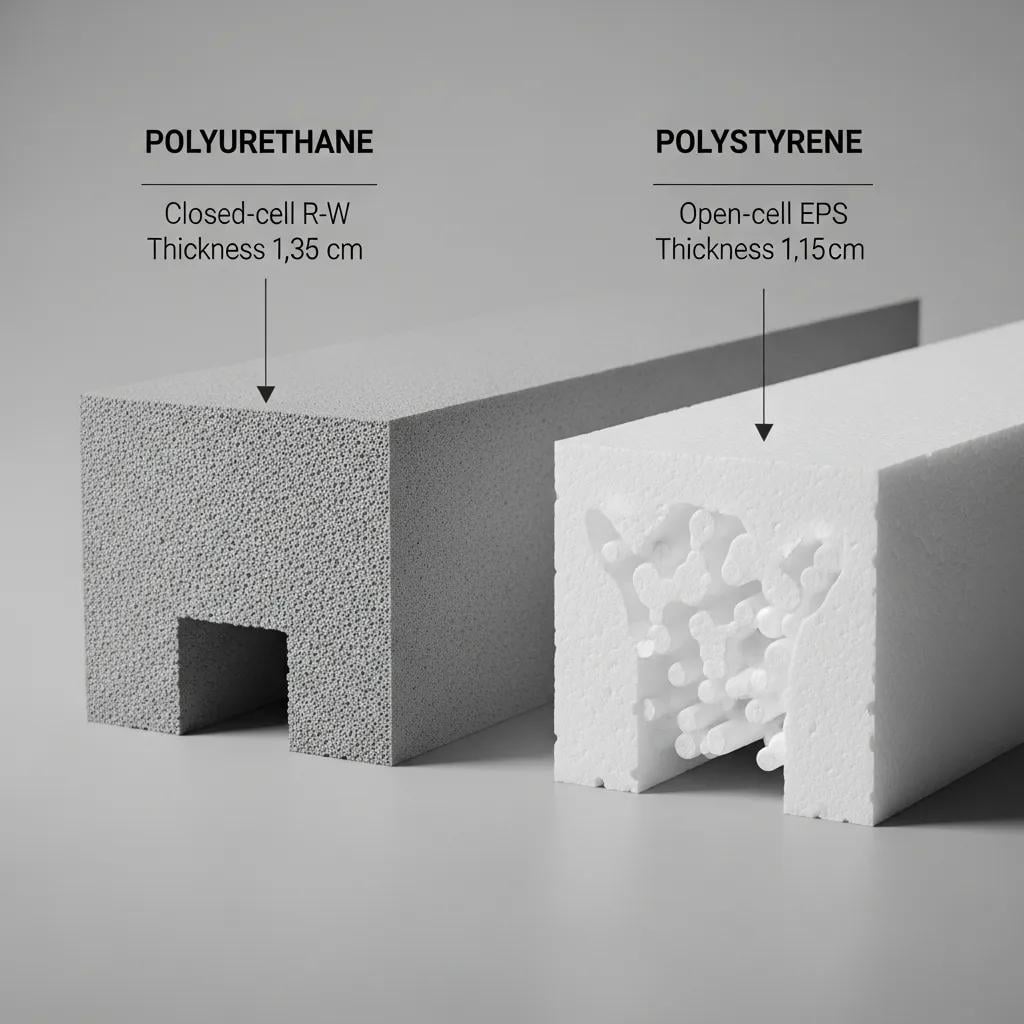
Your choice of insulation and panel build affects thermal performance, durability, and sound control. Injected polyurethane gives a high R‑value per inch and usually forms a continuous foam core that bonds to both skins, cutting thermal bridging and adding stiffness. Polystyrene panels cost less and give moderate insulation, but as discrete inserts they can leave thermal gaps if sealing isn’t precise. Thermal‑break and multi‑layer steel–foam–steel sandwich designs balance structural strength with thermal control, which matters in sunny, hot climates where limiting solar heat gain helps keep garages and adjacent rooms cooler.
| Insulation Type | Characteristic | Typical Performance / Benefit |
|---|---|---|
| Injected Polyurethane | Continuous foam core | High R/inch; reduces thermal bridging |
| Polystyrene Panels | Rigid inserts | Lower R/inch; lower upfront cost |
| Multi-layer Sandwich | Steel–foam–steel | Structural strength and consistent R-value |
After weighing the options, many Fresno homeowners favor higher‑density polyurethane for its balance of thermal performance and long‑term durability. That makes it worth a closer look in product classes like Thermacore®.
What Are the Benefits of Polyurethane Insulation in Thermacore Garage Doors?
Polyurethane cores deliver more R‑value per inch than most polystyrene inserts, giving strong insulation with slimmer panels. The injected foam bonds to the door skins and forms a thermal break that limits conduction at seams and fasteners, while also adding rigidity that reduces gaps and maintenance needs. You’ll also notice better noise reduction and quieter operation — qualities that signal higher perceived build quality and longevity. For homeowners focused on energy savings and low upkeep, polyurethane‑core doors are a premium, technically sound choice.
That performance edge is why polyurethane constructions are often specified for climate‑sensitive installations. The next section compares polystyrene for context.
How Does Polystyrene Insulation Compare to Polyurethane for Garage Doors?
Polystyrene rigid panels are a cost‑friendly solution that provide steady, moderate insulation and long‑term stability. However, their R‑value per inch is typically lower than injected polyurethane. Because polystyrene is installed as separate inserts, seams and edges can create thermal bridges unless sealing and bonding are carefully done, which reduces overall effectiveness. Polystyrene works well for detached garages or when budget is the primary constraint; polyurethane is the better pick when the garage adjoins conditioned living space and energy savings matter most. The right choice depends on your priorities, budget, and how your garage connects to the home.
With that local context in mind, the next section outlines the primary benefits Fresno homeowners can expect from insulated doors.
What Are the Key Benefits of Installing Insulated Garage Doors in Fresno?
In hot Fresno weather, insulated garage doors lower peak garage temperatures, stabilize temperatures in adjacent rooms, cut outside noise, and extend door life through stronger panels. Those improvements translate into less HVAC runtime for rooms next to the garage, greater comfort for conditioned spaces above or beside the garage, and quieter daily operation. Insulated doors can also boost curb appeal and add to a home’s perceived value. Homeowners should weigh these gains against installation cost and the condition of the rest of the home’s envelope to estimate payback.
- Lower Energy Use: Less heat transfer means shorter HVAC cycles and lower bills.
- Improved Comfort: Cooler garage temps reduce heat transfer to living spaces.
- Noise Reduction: Thicker, insulated panels dampen outside noise.
These advantages often make insulated replacements a sensible upgrade. Below we show how comfort and noise improvements play out day to day.
How Do Insulated Doors Enhance Comfort and Reduce Noise?
Insulated doors act as a thermal buffer, softening fast temperature swings so garages exposed to sun stay cooler during peak hours and pass less heat into adjoining rooms. Thicker, bonded cores cut vibration and sound transmission, making the door operate more quietly and reducing traffic noise. Proper perimeter seals and thresholds stop drafts and dust, improving indoor air quality and reducing the feeling of heat infiltration. Together, these factors raise occupant comfort and lessen strain on HVAC equipment.
Those comfort improvements help set realistic expectations for utility savings, covered in the next subsection.
What Utility Bill Savings Can Fresno Homeowners Expect?
Savings vary with how the garage connects to living spaces, current insulation levels, and household habits. For attached garages, upgraded insulated doors can meaningfully reduce heating and cooling loads — industry examples often point to around 10–15% reductions in HVAC energy for the affected zones in favorable cases. Keep in mind that changing one element of the building envelope gives partial rather than total savings, so many homeowners see incremental monthly bill drops instead of one‑to‑one reductions. A targeted assessment that factors in door R/U metrics, garage coupling, and local climate gives the most accurate ROI estimate.
Because actual savings depend on many variables, a professional assessment can turn these ranges into a clear payback timeline — see local service options next.
How Can Overhead Door Company of Fresno Help You Choose and Install Energy-Efficient Garage Doors?
Overhead Door Company of Fresno, Inc. offers consultative services to help homeowners pick insulated garage doors that match energy goals, style, and budget. Our process includes an on‑site evaluation, clear presentation of options (including DASMA‑certified thermal data where applicable), transparent pricing, and scheduling for replacement or installation by experienced technicians. We carry Thermacore® polyurethane‑insulated models as examples of high‑performance residential doors, and we’ll walk you through the tradeoffs between polystyrene and polyurethane so you get the best fit for your home.
| Model | Thermal Metric | Typical Use-Case |
|---|---|---|
| Thermacore 5720 | R-value ~9.31 / U-factor ~0.20 | Detached or moderately coupled garages |
| Thermacore 5740 | R-value ~11.5 / U-factor ~0.18 | Attached garages adjacent to living space |
| Thermacore 5760 | R-value ~13.0 / U-factor ~0.15 | High-performance installations needing max insulation |
These product metrics map directly to homeowner goals for energy savings, comfort, and noise control. The next section shows complementary upgrades that increase those efficiency gains.
What Features Make Thermacore Garage Doors a Premium Energy-Efficient Choice?
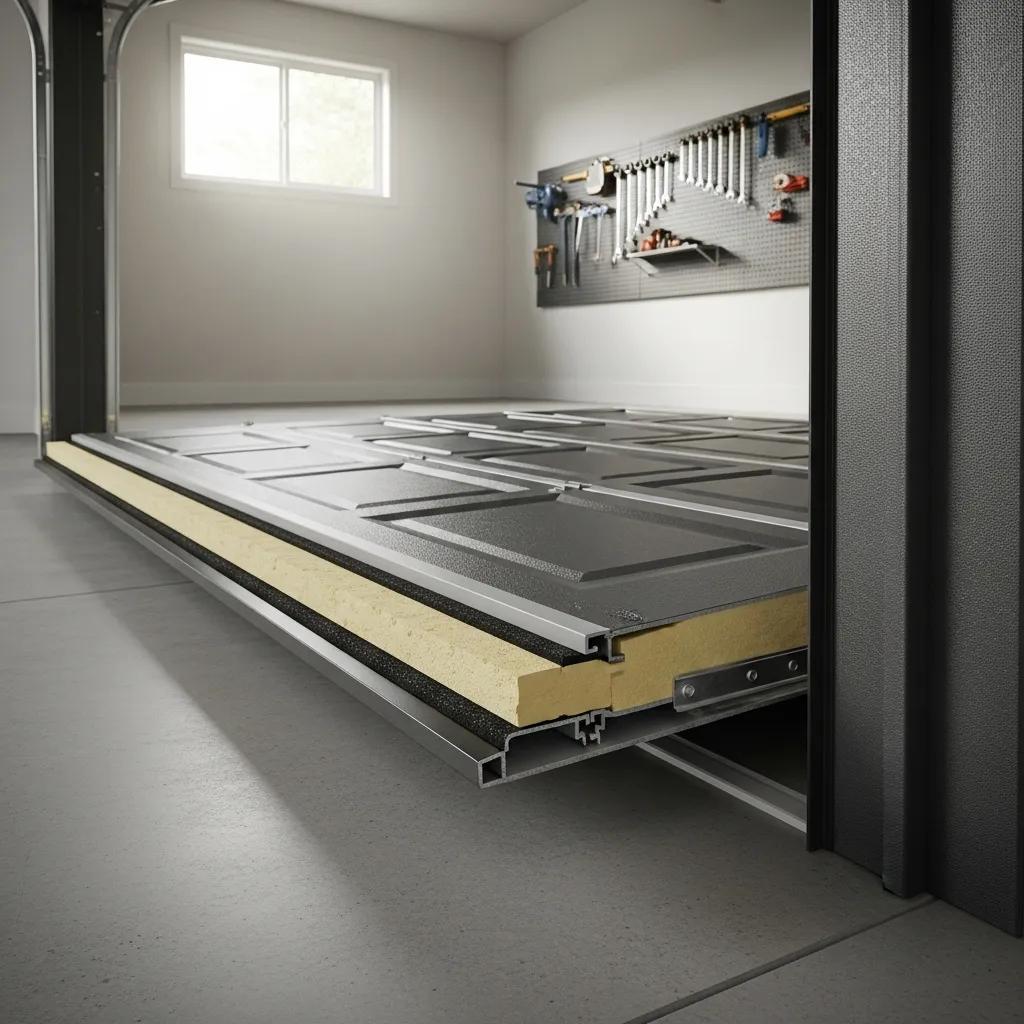
Thermacore® doors use a steel–polyurethane–steel sandwich build that provides higher R‑values per inch and a continuous thermal barrier across each panel to reduce thermal bridging. They typically show lower U‑factors, include edge seals and reinforced skins to cut air leakage, and combine structural strength with thermal performance to lower maintenance and noise. For homeowners who want measurable efficiency, Thermacore models give a specification‑driven route to improved comfort and lower energy use.
These features work best when paired with proper sealing and smart control strategies covered next.
How Does Weatherstripping and Smart Technology Improve Garage Door Efficiency?
Quality weatherstripping and threshold seals stop air infiltration at the perimeter — a must to realize a door’s rated thermal performance. Smart openers and connected controls help prevent doors from being left open and can be scheduled to avoid unnecessary heat exchange during peak hours, providing small but steady energy savings. Regular maintenance — checking seals, aligning tracks, and keeping hardware in good condition — preserves insulation performance over time. Together, insulated construction, tight seals, and smart operation deliver the most consistent energy savings for Fresno homes.
For help choosing models, interpreting DASMA ratings, or booking an on‑site estimate, Overhead Door Company of Fresno, Inc. can provide expert guidance, on‑site pricing, and installation scheduling tailored to your needs.
Frequently Asked Questions
1. What factors should I consider when choosing an energy-efficient garage door?
Focus on R‑value and U‑factor as the primary thermal performance indicators. Pick a core material—polyurethane for top performance, polystyrene if you’re budget‑conscious—and make sure perimeter sealing is thorough to minimize air leakage. Also evaluate build quality, durability, and how the door fits your home’s look. Finally, consider how the door will affect nearby conditioned spaces and the potential energy savings in your local climate.
2. How can I maintain my insulated garage door for optimal performance?
Inspect and replace weatherstripping and seals as needed, keep tracks clean and lubricated, and check for wear on hardware. Make sure the door stays aligned and that springs and openers are serviced regularly. Simple maintenance preserves insulation integrity, reduces drafts and noise, and extends the door’s useful life.
3. Are there any tax credits or incentives for installing energy-efficient garage doors?
Incentives vary by locality and change over time. Some local, state, or federal programs may offer rebates or tax credits for energy‑saving upgrades. Check with your utility, state energy office, or a local contractor for the latest programs and eligibility details — we can also help identify any available incentives during your consultation.
4. Can insulated garage doors help with noise reduction?
Yes. Insulation and thicker bonded panels damp vibration and reduce sound transmission, making the door operate more quietly and cutting outside noise. Proper sealing also prevents sound leaks, so insulated doors often make homes noticeably quieter, especially near busy streets.
5. What is the average lifespan of an energy-efficient garage door?
Typical lifespans range from about 15 to 30 years, depending on materials, local conditions, and maintenance. High‑quality insulated doors, especially those with polyurethane cores and reinforced skins, tend to last longer when maintained properly.
6. How do I know if my current garage door is energy-efficient?
Look for R‑value and U‑factor ratings; if they’re missing, evaluate the door’s insulation type and construction. Check for drafts, large temperature swings in adjacent rooms, or an older single‑skin door — those are signs your door may not be energy efficient. A professional evaluation can confirm performance and recommend upgrades.
7. What are the environmental benefits of installing energy-efficient garage doors?
Energy‑efficient doors reduce HVAC energy demand, which lowers greenhouse gas emissions and utility consumption. Fewer heating and cooling hours help shrink a home’s carbon footprint, and many modern doors use recyclable materials, supporting broader sustainability goals.
Conclusion
Upgrading to an energy‑efficient garage door is one of the most effective ways to improve comfort, cut noise, and reduce energy costs in Fresno homes. Understanding R‑value and U‑factor helps you choose doors that deliver real performance, not just good looks. Ready to explore options tailored to your house and budget? Contact Overhead Door Company of Fresno today to schedule a consultation and take the first step toward a cooler, quieter, more efficient home.