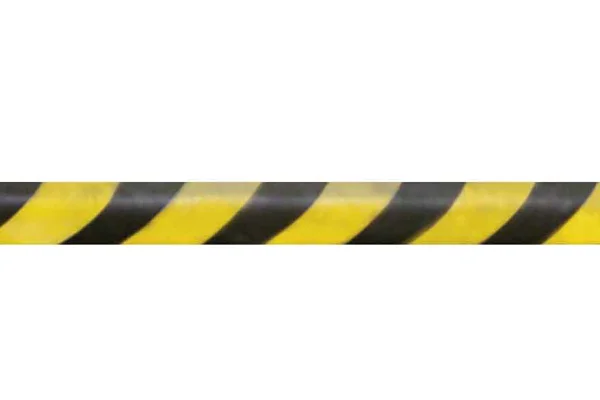
Sensing edges provide entrapment protection for motor-operated doors by offering an auto reverse or auto stop feature. The Bottom Sensing Edge stops and reverses the door upon contact with an obstruction.
Stops and reverses the door upon contact with an obstruction. Compatible with our X-Series commercial operators.
The Bottom Sensing Edge makes so much sense in regards to convenience and safety that our customers automatically see this entrapment protection as a must-have for their motor-operated doors.
The Sensing Edges are made from two completely flexible, conductive contact elements separated by perforated foam. They are attached to the leading edge of motor-driven doors and are electrically activated to auto reverse or auto stop when the soft foam cushion inside the Sensing Edge compresses, causing the internal contacts to meet and immediately send an electrical signal to stop or reverse the motor.
Features
As an added feature, the sensing edge provides a secure, weather-tight seal and conforms to the floor surface

2465 N Miami Ave, Fresno, CA 93727, United States
Business Hours
Monday-Friday: 7:00 AM – 4:30 PM
Saturday-Sunday: Closed
CA Contractors License #474830
Quick Links
Commercial
Residential
Come Visit Us
“Overhead Door is a trademark and the Red Ribbon logo is a registered trademark of Overhead Door Corporation”.
Terms & Conditions | Privacy Policy | Cookie Policy
Web Design and Digital Marketing by Lead Nurture Close Marketing
Get Started Today
Request A Quote
door threshold replacement fresno, industrial door service, commercial doors near me, security door repair for businesses, commercial door company near me, warehouse security door repair fresno, overhead door safety edge, roll up doors fresno, commercial hollow metal doors fresno, security door business
Bottom sensing edges are crucial safety features for motor-operated doors, designed to prevent entrapment by automatically reversing or stopping the door when an obstruction is detected. This technology is particularly important in commercial settings where heavy doors are frequently used, ensuring the safety of personnel and equipment.
These sensing edges consist of a soft foam cushion that compresses upon contact with an object, triggering an electrical signal that halts the door's movement. This mechanism not only protects against accidents but also enhances the overall functionality of the door system, making it a vital component for compliance with safety regulations.
Installing bottom sensing edges on commercial doors provides several advantages, including enhanced safety, improved operational efficiency, and reduced liability risks. By preventing accidents, businesses can protect their employees and customers while also minimizing potential damages associated with door-related incidents.
Additionally, these sensing edges contribute to the longevity of the door system by preventing unnecessary wear and tear caused by collisions. Businesses that prioritize safety through the installation of these features often see a positive impact on their reputation and customer trust.
Bottom sensing edges are widely used in various commercial environments, including warehouses, loading docks, and retail spaces. Their ability to detect obstructions makes them suitable for high-traffic areas where the risk of accidents is elevated, ensuring that door operations remain smooth and safe.
For instance, in a warehouse setting, these sensing edges can prevent heavy doors from closing on forklifts or personnel, thus maintaining a safe working environment. Retailers also benefit from these features, as they enhance customer safety while providing a seamless entry and exit experience.
Regular maintenance of bottom sensing edges is essential to ensure their effectiveness and longevity. This includes routine inspections to check for wear and tear, as well as cleaning the sensing edge to remove any debris that may interfere with its operation. Ensuring that the sensing edge is free from obstructions helps maintain its responsiveness.
Additionally, it is advisable to test the functionality of the sensing edge periodically. This can involve simulating an obstruction to verify that the door reverses or stops as intended. By adhering to these maintenance practices, businesses can ensure that their door systems operate safely and efficiently for years to come.