

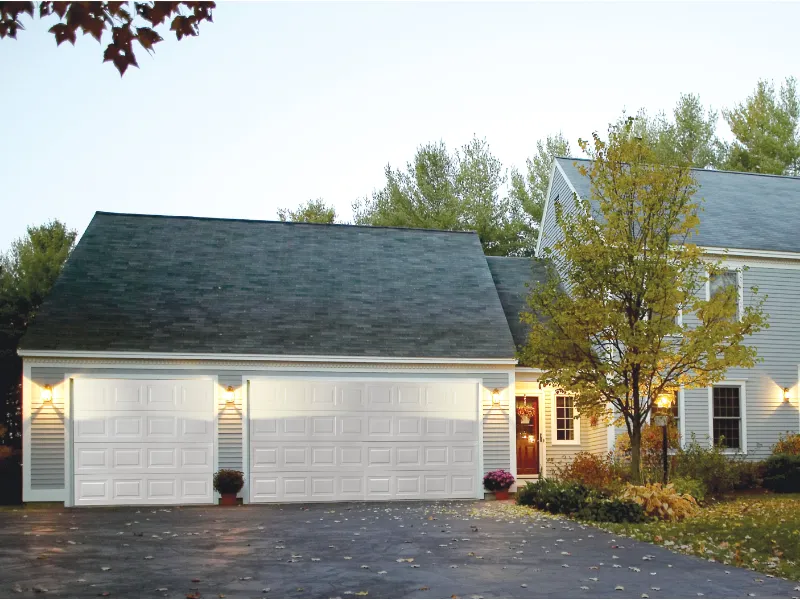
Garage Door Installation Near Me — Costs, Styles, and What to Consider
When people search “garage door installation near me,” they’re usually deciding more than just a new door. The right door type, materials, insulation and installer change your project cost, comfort, security and curb appeal. This guide walks Fresno homeowners and property managers through the factors that shape local installation estimates, which materials and styles suit Central Valley homes, the smart-opener features worth prioritizing, how to vet installers, what happens on install day, and simple garage door installation that extends a door’s life. We include comparison tables, a vendor checklist, and clear steps you can use when requesting quotes so you get the performance and look you want without surprises.
What Are the Key Factors Affecting Garage Door Installation Cost in Fresno?
Installation cost in Fresno comes down to a handful of predictable variables: door material and style, insulation (R-value), opener choice and smart features, labor and installer experience, any structural work required, and optional decorative or safety upgrades. Each item adds parts, time on site, or both, and together they form the final estimate you’ll receive. Knowing these drivers helps you compare bids and decide where to spend for durability, energy savings or curb appeal. Below are the main cost drivers with a short explanation of each.
- Material and door style (sectional, rolling, carriage-house) set the baseline price and installation complexity.
- Insulation level (R-value) and core type affect material cost and long-term energy performance.
- The opener and smart features add equipment cost and extra programming time.
- Labor, travel, disposal and permitting increase total project hours and fees.
- Custom sizes, windows, decorative hardware and structural changes raise fabrication and labor time.
Material choice establishes your baseline cost; insulation and opener options add targeted expenses that often pay back over time. Next, we break down how materials and door types influence pricing.
How Do Material and Door Type Influence Installation Pricing?
Different materials and styles affect parts cost and the time installers need on site. Steel sectional doors are usually the most economical because panels are standardized and easy to fit. Custom wood or carriage-house doors cost more for premium materials and finishing. Aluminum and fiberglass sit between steel and wood: aluminum works well for wide openings, and fiberglass offers low maintenance and a wood-like look. Commercial or rolling steel doors add complexity—heavier tracks, stronger springs and more labor. Adding windows, custom hardware or non-standard sizes increases fabrication and fitting time and can require extra framing work.
Think of material choice as both an upfront cost and a long-term investment: paying more for better insulation or higher-quality finishes can lower energy use and maintenance over the door’s lifespan. The next section covers how labor and local expertise affect real-world costs.
What Role Does Labor and Local Expertise Play in Cost Estimates?
Labor and local experience shape the final price through hourly rates, travel time and the installer’s ability to handle site-specific issues—like framing adjustments, opener wiring or permit navigation. Experienced local techs may charge more per hour but finish jobs faster and with fewer callbacks, reducing long-term costs. Very low bids can omit necessary items—balanced-spring tuning, sensor setup or proper disposal—so ask for a clear, itemized scope. Installers who know Fresno’s climate and construction styles can recommend choices—like insulated doors for attached garages—that improve comfort and efficiency.
To compare bids fairly, request line-item estimates that spell out labor hours, structural work and safety checks. A transparent estimate makes trade-offs visible and lowers the chance of surprise charges during installation.
| Component | Attribute | Typical Impact on Cost |
|---|---|---|
| Door Material | Steel, Wood, Aluminum, Fiberglass | Ranges from low (standard steel) to high (custom wood); affects fabrication time |
| Insulation | R-value, core type (polyurethane vs polystyrene) | Higher R-value raises material cost but improves energy performance |
| Opener & Electronics | Belt vs chain, smart features | Adds equipment cost and programming time; smart setups need more configuration |
This quick breakdown shows where dollars go on a typical Fresno install and helps you weigh immediate price against long-term value.
Which Types of Garage Doors Are Best Suited for Fresno Homes and Businesses?
Choosing a door for Fresno means balancing local climate, architectural style and how you use the space. Sun and heat, thermal performance for attached garages, and low maintenance for commercial locations are common priorities. Sectional doors are popular for homes because they’re cost-effective, offer insulation options and automate easily. Commercial garage doors are a better fit for warehouses and retail where frequent operation and security matter most. Style choices—carriage-house panels for traditional homes or aluminum-and-glass for modern facades—are important, but practical traits like corrosion resistance and R-value should guide the final decision.
The table below summarizes durability, maintenance expectations and typical cost tiers for common materials used around Fresno.
| Material Type | Durability & Maintenance | Typical Cost Tier |
|---|---|---|
| Steel | Very durable, can dent, low regular maintenance | Low–Medium |
| Wood | High-end look, requires periodic refinishing and care | High |
| Aluminum | Lightweight, modern appearance, dent-prone | Medium |
| Fiberglass | Low maintenance, can mimic wood grain; may fade under strong UV | Medium–High |
Use this table to narrow options by the trade-offs that matter most in Fresno’s weather and neighborhood styles. Next we explore the pros and cons of each material and how insulation improves comfort.
If you want to preview styles before you buy, Overhead Door Company of Fresno, Inc. offers the DoorDreamer™ visualization tool and a family-owned approach that helps match materials and finishes to local architecture. DoorDreamer™ lets you mix panel styles, windows and hardware so you can compare steel, wood, aluminum and fiberglass looks before requesting a quote. Visualizing options makes choosing faster and reduces the chance of ordering the wrong style. After you pick the look, focus on insulation and performance options that fit your comfort and budget goals.
What Are the Benefits and Drawbacks of Steel, Wood, Aluminum, and Fiberglass Doors?
Each material brings its own balance of performance, appearance and maintenance that affects long-term ownership costs. Steel gives strength, security and a wide range of styles at a lower initial cost, but it can dent and may need rust protection depending on the finish. Wood delivers classic curb appeal and customization, but it needs regular sealing and costs more up front; attached garages with wood doors often need added insulation. Aluminum is lightweight and enables large clear spans for modern designs, though it dents easier. Fiberglass imitates wood grain, resists moisture and needs less upkeep, but long-term UV exposure can cause fading.
Maintenance needs vary: steel and fiberglass mostly need cleaning and periodic checks, wood needs refinishing cycles, and aluminum requires attention to dents. Choose the material that balances appearance, maintenance tolerance and budget for your situation. The next section explains how garage door maintenance help comfort and energy use.
How Do Insulated Garage Doors Improve Energy Efficiency and Comfort?
Insulation reduces heat transfer through the door by raising its R-value—an important factor for attached garages, workshops or living spaces above a garage. Common core options are polyurethane and polystyrene. Polyurethane usually gives a higher R-value per inch and extra rigidity, while polystyrene is a cost-effective insulating choice that still helps. A higher R-value reduces temperature swings, eases HVAC load for adjacent rooms, and cuts outside noise—benefits that matter in Fresno’s hot days and cool nights.
Research and industry guidance emphasize design choices that support energy-efficient garage doors.
Energy-Efficient Garage Door Design & Materials
Manufacturers and building codes increasingly require better thermal performance for exterior door systems. To meet stricter U-value limits, designs often use thicker door constructions, foam-insulated cores and improved seals. For example, solid wood doors may need greater thickness and insulated cores to meet modern energy standards while maintaining structural stability and thermal control.
Energy efficient door design, 2009
Think of insulation as a system: seals, weatherstripping and properly balanced hardware all matter. Spending a bit more for higher R-value can pay back through reduced HVAC cycling and a steadier garage temperature—especially when the garage adjoins conditioned living space.
| Material | Characteristic | Best Use Case |
|---|---|---|
| Polyurethane core | Higher R-value and added rigidity | Attached garages, workshops and spaces needing better thermal control |
| Polystyrene core | Cost-effective insulation | Detached garages and budget-conscious projects |
| No insulation | Lower upfront cost, little thermal control | Storage-only garages and unconditioned spaces |
What Features Should You Look for in Smart Garage Door Openers?
Smart openers add remote access, schedules, activity logs and integrations that boost convenience and security. Prioritize Wi‑Fi connectivity and a reliable mobile app, camera or activity monitoring, rolling-code security, battery backup, and compatibility with voice assistants. Those features let you grant temporary access for deliveries or contractors, get instant door activity alerts, and link door behavior to other smart-home routines. Make sure the opener you pick works with your door type and that your installer has experience pairing and programming smart systems.
The industry’s move toward connected garage systems reflects growing demand for secure, remote management.
Smart Garage Systems: Security & Remote Control
Modern smart garage systems combine remote control, authentication and monitoring to improve security and convenience. Features such as one-time passwords, secure app access and simple camera integration give homeowners a reliable way to manage door access while maintaining strong protections against unauthorized entry.
Design and Implementation of a Lightweight Smart Garage System: A Cost-Effective Approach, M Parmar, 2025
- Wi‑Fi & Mobile App: Control and monitor your door from anywhere.
- Rolling Codes & Activity Logs: Protect against code replay and keep an event history.
- Camera & Notifications: See deliveries and check activity in real time.
- Battery Backup: Keeps the door working during power outages.
- Voice Control Compatibility: Hands-free operation with careful permissions.
These features set a baseline for security and convenience. The table below compares common smart-opener attributes and the user benefits they deliver.
| Feature | Attribute | User Benefit |
|---|---|---|
| Wi-Fi Connectivity | Remote access via app | Open/close and monitor the door off-site |
| Camera Integration | Visual monitoring | Verify deliveries and improve security |
| Battery Backup | Power-resilient operation | Reliable operation during outages |
Think through real-life use cases—letting a delivery into the garage, granting temporary access for a contractor, or automating lights when the door opens—to balance convenience and security.
How Do Remote Access and Voice Control Enhance Convenience?
Remote access and voice control let you open, close or check the garage from anywhere—handy for deliveries, guests or contractors. You might unlock the garage for a package and confirm it via camera, or open the door for a service provider and schedule it to close automatically. Voice assistants add hands-free convenience during busy tasks, but you should limit permissions and enable alerts to reduce accidental or unauthorized use. Follow security best practices like two-factor authentication and careful account management.
These convenience tools come with security trade-offs, which is why reputable systems and careful setup are important. That leads to brand-level services such as LiftMaster and MyQ integrations that offer firm security controls and ongoing support, including garage door maintenance.
What Security and Integration Benefits Do LiftMaster and MyQ Openers Offer?
LiftMaster and MyQ provide mature ecosystems for smart opener features: secure mobile access, activity logging, integration with common home automation platforms, and firmware updates from the manufacturer. Both emphasize rolling-code encryption to reduce interception risk and typically support camera add-ons and notifications so you can verify activity. Integrations let you coordinate lighting, locks and security systems—for example, triggering lights when the garage opens—while battery backup and professional setup improve reliability.
When choosing an opener, confirm compatibility with your door and that your installer is experienced programming the system. Proper configuration reduces connectivity issues and keeps security features like two-factor authentication and firmware updates working as intended.
How to Choose the Best Garage Door Installer Near Me in Fresno?
Picking the right installer comes down to credentials, local experience, transparent pricing, warranty terms and clear customer service—things that reduce risk and make the project smoother. Look for licensed and insured professionals with manufacturer certifications and local references showing experience with Fresno homes and commercial properties. Ask for itemized estimates that list materials, labor, disposal and permit fees; clear warranty and emergency-support policies indicate a dependable partner. Use the checklist below when vetting garage door installers.
- Verify license and insurance and ask to see proof of coverage.
- Confirm manufacturer certifications and installer training for your selected door brand.
- Request detailed, itemized written estimates with scope and timelines.
- Check local references, reviews and photos of completed projects.
- Ask about warranty coverage, emergency support and post-install follow-up.
These criteria help you avoid low bids that skip safety checks or inexperienced installers who struggle with opener integrations. The next section explains why local credentials and transparent pricing matter.
What Credentials and Local Experience Should Installers Have?
Good installers are licensed, insured and show manufacturer certifications plus a local portfolio of comparable installs. Licensing and insurance protect you from liability and workmanship claims; manufacturer training ensures proper spring setup, track alignment and opener programming. Local experience matters because Fresno technicians know typical framing, climate exposure and permit expectations.
When interviewing candidates, ask for recent examples of similar projects and contactable references. Verifying work history gives you a clearer picture of quality and timeliness and lowers the risk of garage door repair.
(Example of transparent-pricing best practice) A reliable sign of a reputable provider is transparent pricing and easy estimate tools that give you a baseline before an on-site visit. Overhead Door Company of Fresno, Inc. highlights family-owned service, fair pricing, emergency support and transparent set pricing as hallmarks of trustworthy local firms. Using these attributes as selection criteria helps you separate dependable installers from those with unclear billing practices. With that in mind, the next section covers how reviews and itemized estimates build long-term trust.
Why Are Transparent Pricing and Customer Reviews Important?
Transparent pricing and customer reviews show whether a contractor documents scope and stands behind their work. A complete estimate lists materials, labor hours, permit or disposal fees and optional add-ons like insulation or smart-opener setup; missing detail is a red flag. Reviews and case studies demonstrate consistent performance—timely completion, warranty handling and responsiveness to follow-up issues.
When reading reviews, look for patterns: repeated praise for communication and sticking to estimates matters more than a single glowing comment. Transparent pricing plus consistent reviews reduces uncertainty and gives you confidence when comparing bids for garage door service.
What Is the Professional Garage Door Installation Process and What to Expect?
A professional installation follows a reliable sequence: consultation and measurements, safe removal of the old door, installation of new tracks and panels plus opener setup, then safety tests and a customer walkthrough. This workflow minimizes surprises and makes scheduling predictable. Below is the typical step-by-step process and what you should plan for.
- Initial consultation and site measurement to confirm door size, headroom and framing needs.
- Removal and responsible disposal or recycling of the old door and hardware.
- Assembly and installation of tracks, panels, springs and opener mounting.
- Safety and balance checks, sensor alignment, opener programming and smart integration pairing.
- Final testing and a customer walkthrough with documentation and warranty details.
Knowing this sequence helps you prepare the site and set expectations for timing. The following subsections explain what happens during the site visit and the safety checks installers perform before handoff.
How Are Consultations, Measurements, and Door Removal Handled?
At the site visit, installers measure the opening, headroom and jambs, inspect framing and existing hardware, and note any structural work required. Accurate measurements ensure the door is ordered to fit and reveal if additional header or framing work is needed. The estimator also reviews access, electrical needs for the opener and recycling or disposal options; reputable providers include those items in the written estimate. A local garage door service also ensures a smooth installation process.
On installation day, crews remove the old door and hardware safely, secure the work area and prepare the opening for new tracks and springs. Clear communication about timing, access and permits helps avoid delays.
What Safety Checks and Opener Integrations Are Included?
Before we leave, installers perform balance checks, test torsion spring tension, verify track alignment and set limit switches so the door opens and closes correctly. Photo-eye sensors and auto-reverse systems are tested repeatedly to meet safety standards. Openers are programmed with secure codes and paired with apps or cameras as needed. The crew demonstrates operation, shares basic maintenance tips and provides documentation on warranties and service plans.
Confirming these tests are part of the written scope prevents important safety items from being left out of lower-priced bids.
How Can Proper Maintenance Extend the Life of Your New Garage Door?
Regular maintenance keeps components balanced, reduces wear on springs and rollers, and helps the opener run efficiently—extending the door’s life and protecting warranties. A mix of simple homeowner checks and yearly professional inspections prevents small issues from becoming major repairs and ensures safety systems remain functional. Below are practical maintenance steps and suggested intervals.
- Monthly: Visual inspections and basic hardware checks.
- Quarterly: Lubricate rollers, hinges and bearings with manufacturer-recommended products.
- Annually: Professional inspection for spring tension, cable condition and opener diagnostics.
These intervals balance DIY upkeep with professional servicing to protect major components and preserve warranty coverage. The next sections list DIY tips and when to call a pro.
What DIY Tips Help Maintain Garage Door Performance?
Homeowners can do safe, effective maintenance without special tools: look for frayed cables or worn rollers, tighten loose bolts, clean and realign weatherstripping, and lubricate moving parts with a silicone- or lithium-based lubricant recommended by the manufacturer. Never try to adjust springs or replace cables—those are dangerous tasks for trained technicians. Test the auto-reverse by placing an object in the door’s path and confirming the door reverses; note any odd noises or uneven movement.
Keeping a simple log of checks and maintenance helps track component life and gives technicians useful history during annual service. If you hear persistent noises or see slack cables or uneven travel, schedule a professional inspection right away.
When Should You Schedule Professional Maintenance Services?
Have a professional inspect the door at least once a year, or sooner if you notice noisy operation, sluggish movement, sensor faults or visible damage to springs and cables. Pros handle unsafe or complex tasks like spring tensioning, cable replacement and detailed opener diagnostics. Regular service protects warranties and catches worn parts before they fail—far less costly than emergency repairs.
If rapid response matters, choose providers that advertise emergency support and clear post-install follow-up. Those services reduce downtime for commercial sites and give homeowners peace of mind.
For personalized estimates, visualization demos or to explore doors and openers with family-owned service values, consider contacting Overhead Door Company of Fresno, Inc. Their DoorDreamer™ tool and transparent pricing approaches make it easier to compare options and move forward with confidence.
Frequently Asked Questions
What are the common signs that my garage door needs maintenance?
Look for unusual noises, slow or jerky operation, visible wear on cables or rollers, or a door that won’t open or close fully. If the auto-reverse doesn’t trigger when an object is in the door’s path, schedule professional service. Regular checks catch problems early and keep the door safe.
How often should I have my garage door professionally inspected?
We recommend a professional inspection at least once a year. If you notice strange sounds, sluggish movement or visible damage, get help sooner. Regular inspections keep safety systems working and extend component life.
What should I do if my garage door won’t open or close?
First, check for obstructions in the door’s path. Confirm power to the opener and test the wall switch or remote. If those basics don’t help, the problem may be with springs, cables, sensors or the opener—call a professional garage door installers for a safe diagnosis and repair.
Can I install a garage door myself, or should I hire a professional?
While a skilled DIYer might handle some projects, full garage door installation is risky and precise work. Springs, cables and electrical components require trained technicians. Hiring a pro ensures correct fit, safe operation and compliance with local codes.
What are the benefits of smart garage door openers?
Smart openers give remote control via smartphone, scheduling, activity logs and delivery verification—convenience and added security. Features like battery backup and rolling-code security improve reliability and safety, making smart openers a strong choice for many homeowners.
How can I improve the energy efficiency of my garage door?
Install an insulated door with a higher R-value and make sure seals and weatherstripping are in good condition. Regular maintenance and proper balance also help the opener run efficiently. These steps reduce garage door maintenance and stabilize the garage temperature.
What should I look for when choosing a garage door installer?
Choose licensed, insured installers with local experience and manufacturer certifications. Ask for detailed, itemized estimates and check reviews or references. Confirm warranty terms and emergency support so you have a trusted partner after installation.
Conclusion
Picking the right garage door and installer makes a big difference in security, comfort and curb appeal. By understanding what drives cost and how materials, insulation and openers affect long-term value, you can make confident choices that fit your needs and budget. For tailored estimates, style previews and local expertise, reach out to a trusted Fresno installer who stands behind their work. Use the checklists and tables here to compare quotes and choose the solution that fits your home or business.