

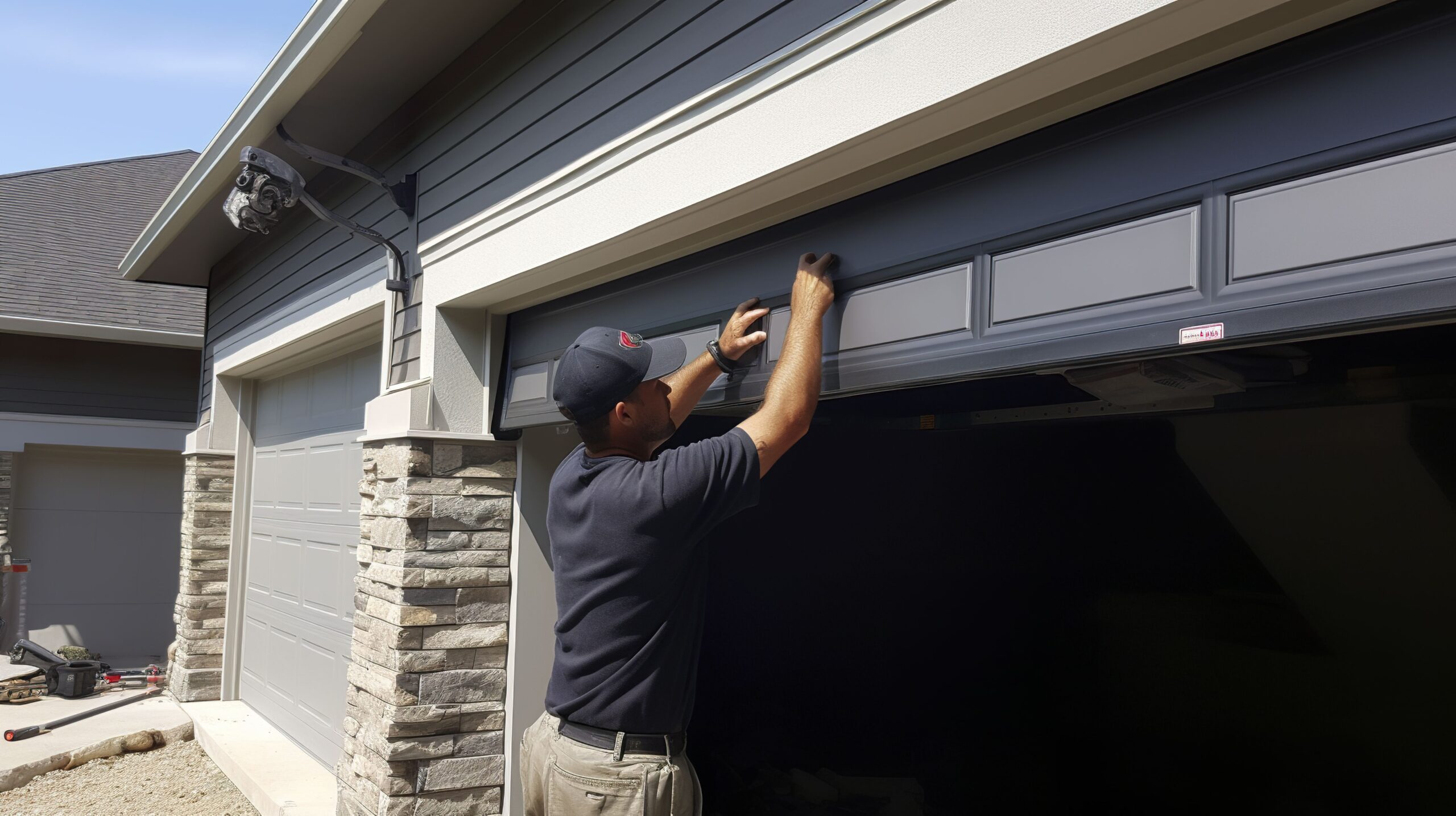
A garage door is one of the most-used moving parts in a home, yet it is often ignored until a problem arises. Homeowners may wonder, what are common signs that my garage door needs immediate repair? Spotting early warning signs can prevent costly damage, protect the home, and keep the family safe. Overhead Door Company of Fresno™ emphasizes that any sign of malfunction should be addressed promptly to avoid safety risks and operational breakdowns. Delaying repairs can lead to bigger issues, including a complete system failure or even injury. A quick inspection and professional repair can restore smooth operation and peace of mind.
Why Immediate Garage Door Repair Matters
A malfunctioning garage door is more than a minor inconvenience. It can create serious safety hazards, increase the risk of break-ins, and lead to expensive repairs if left unattended. Homeowners may ask, what are common signs that my garage door needs immediate repair? Ignoring warning signs can allow minor problems to grow into major issues, potentially leading to the door failing unexpectedly or becoming unsafe to operate.
Garage doors operate under high tension and heavy weight, making them dangerous to handle without professional tools and training. Attempting DIY repairs can result in injury or further damage. Fast action ensures the door remains secure and functional while protecting the home and family. A professional inspection and repair can restore proper operation, reduce the risk of accidents, and extend the life of the garage door system.
To help homeowners recognize issues early, here are seven warning signs that indicate the garage door needs immediate attention.
1. Loud or Unusual Noises During Operation
One of the most common warning signs is a loud or unusual noise from the garage door while opening or closing. Grinding, squeaking, rattling, or banging sounds usually indicate problems such as:
- Worn rollers
- Loose hardware
- Broken springs
- Motor strain
Ignoring these noises can cause parts to fail. The sound may be a warning that the system is working harder than it should, which can lead to sudden breakdowns.
2. The Door Moves Unevenly or Appears Slanted
If the garage door opens or closes at an angle, it may be misaligned. Uneven movement often indicates issues with the door’s balance or track, such as:
- Broken or loose cables
- Misaligned tracks
- Damaged rollers
A slanted door can become stuck or even fall, posing a major safety risk. If homeowners notice uneven movement, they should avoid using the door until a professional can inspect it.
3. The Door Won’t Open or Close Fully
When a garage door stops midway or reverses unexpectedly, it is a clear sign that immediate repair is needed. This issue can be caused by:
- Blocked tracks
- Faulty sensors
- Limit switch problems
- Motor or spring issues
A door that won’t close completely compromises home security and can expose the property to weather damage or theft. It also puts extra stress on the opener and other components.
4. Excessive Vibration or Shaking While Operating
A properly functioning garage door should move smoothly and steadily. If it shakes or vibrates excessively, it could be due to:
- Loose hardware
- Worn springs
- Unbalanced door
- Damaged rollers
Vibration can quickly damage the opener and other parts, leading to a full system failure. Immediate repair is essential to avoid the problem from escalating.
5. Slow or Jerky Door Movement
If the door opens slowly, moves unevenly, or appears jerky, it may indicate that the opener or springs are failing. Common causes include:
- Weak springs
- Worn gears
- Motor strain
- Poor lubrication
A door that moves slowly is not only inconvenient but also dangerous. A failing spring can snap unexpectedly, and a weak opener can cause the door to fall or get stuck.
6. Visible Damage or Warping
Physical damage to the door panels or frame is another clear sign that immediate repair is needed. Damage may include:
- Dents or cracks
- Warped panels
- Bent tracks
- Rust or corrosion
Even minor damage can affect the door’s balance and performance. Warping or dents can lead to gaps, reducing insulation and increasing energy costs. Over time, the door may become unsafe to operate.
7. Safety Features Are Not Working Properly
Modern garage doors include safety features designed to prevent accidents. If these features fail, the door becomes a serious risk. Common safety issues include:
- Sensors not reversing the door
- Auto-reverse not working
- Remote control malfunction
- Door stops unexpectedly
If the safety sensors or auto-reverse functions are not working, the door can trap people or objects, posing a hazardous situation. This is one of the most critical reasons to call a professional for immediate repair.
How to Respond When You Notice These Signs
When any warning signs appear, homeowners should take action right away. Knowing what are common signs that my garage door needs immediate repair? helps homeowners respond quickly and prevent more serious damage or safety risks.
Here are the steps to follow:
- Stop using the door until it can be inspected
- Check for obvious obstructions or visible damage
- Avoid attempting DIY repairs, especially with springs or cables
- Schedule a professional inspection and repair
Garage door systems operate under high tension and can be dangerous. A trained technician can identify the exact issue, perform the repair safely, and ensure the door works properly. Taking these steps quickly can protect the home and prevent costly future repairs.
Frequently Asked Questions
Q: How do I know if my garage door springs are failing?
A: Signs of failing springs include slow movement, uneven lifting, loud noises, and the door feeling heavy. If a spring breaks, the door may become stuck or fall suddenly.
Q: Why does my garage door reverse after closing?
A: This usually means the safety sensors are misaligned or obstructed, or the door’s limit settings are incorrect. It can also indicate a problem with the tracks or opener.
Q: Can I repair a garage door myself?
A: DIY repairs are not recommended, especially for springs, cables, and opener components. These parts can cause serious injury if mishandled.
Q: What should I do if the door makes grinding noises?
A: Grinding noises often mean worn rollers or damaged tracks. Stop using the door and schedule a professional inspection immediately.
Q: What should I do if my garage door is not closing all the way?
A: If the door stops before fully closing, it could be due to misaligned sensors, a blocked track, or issues with the limit settings. It can also indicate a failing spring or opener. Stop using the door and contact a professional to diagnose and repair the problem safely.
Protect Your Home: Signs Your Garage Door Needs Immediate Repair
A garage door showing signs of failure should never be ignored. Knowing what are common signs that my garage door needs immediate repair? can help prevent dangerous accidents, protect the home, and avoid costly repairs down the road. Addressing issues early keeps the system functioning properly and reduces the risk of a complete breakdown.
Overhead Door Company of Fresno™ provides expert garage door repair services, fast response times, and dependable solutions for any problem. If any of the warning signs are present, scheduling a professional inspection is the best way to keep the garage door safe and fully operational. Prompt action can save time, money, and stress while maintaining peace of mind for the entire household.